

The first thing most teams do when looking for a production partner is watch reels. That makes sense. You need to know whether someone can make work that looks and feels right for your brand.
But a reel cannot show you how the project got there. It does not tell you who shaped the idea, who made the production plan, or whether the final piece worked in the places the client needed to use it.
Those questions matter most when the assignment is bigger than capturing footage.
Start with what you are actually asking someone to do
“We need a video” can describe very different projects.
You might need to capture an executive interview for a presentation. You might need a sales tool that explains a technical offering. You might be introducing a new brand position, communicating a leadership vision, or producing a comedic spot for connected TV.
In each case, ask two questions before comparing vendors: How much of the idea is already defined? And how many jobs does the finished content need to do?
If your team has the message, script, visual approach, and distribution plan in hand, you may be hiring someone to execute a defined assignment. If you have a business objective and a rough concept, you are also hiring someone to help decide what to make.
That distinction should drive the search.

When a videographer is the right hire
A skilled solo videographer can be the right choice for a focused shoot. Think of an interview with a clear brief, event coverage, or recurring footage that your internal team will shape and edit. A good individual operator can bring speed, craft, and familiarity to that kind of work.
The trouble comes when the brief quietly asks one person to be the strategist, writer, producer, director, cinematographer, sound recordist, editor, motion designer, and delivery team.
Some people can cover several of those roles. The point is to ask which roles the project actually requires and who is responsible for each one. A low initial quote is less useful if your marketing team must fill every gap it leaves.
What changes when you hire a production group
A production group should do more than show up with additional people and equipment. It should give you a way to move from an objective to a finished set of assets, with the right people involved at each stage.
At Digital Spark, clients arrive at our motion work from different starting points. Some have a concept and want a team to bring it to life. Others know their audience and goal but need help finding the story. We begin by discussing the use case, the audience, and what the content needs to communicate. From there, creative consultation can lead to positioning, concepts, scripts, storyboards, and a shot list.
That planning is where many important decisions get made. A sales video may need to answer the objection a prospect raises in every meeting. A brand story may need to show what has changed without losing what customers already trust. A CTV spot needs an idea that lands quickly and footage captured for the formats it will run in.
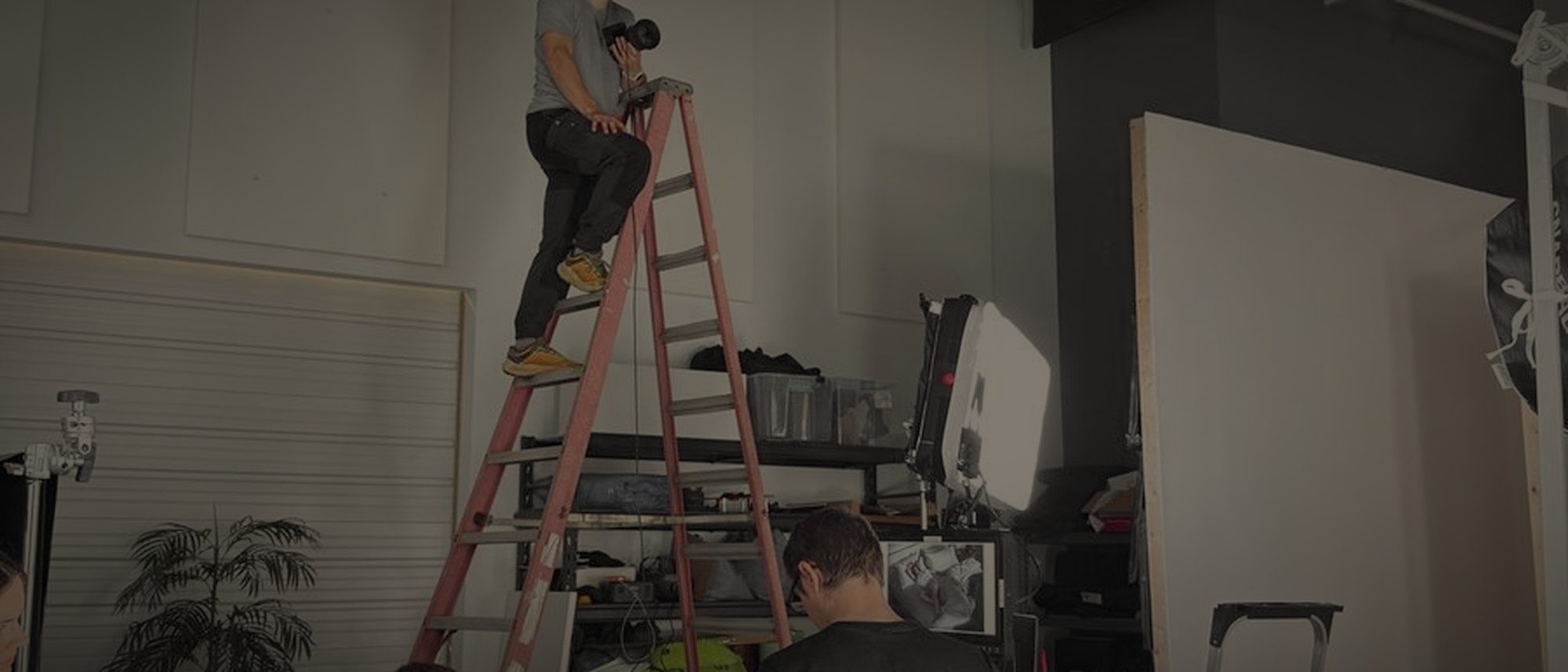
Then the team built for the project produces the work. Depending on the scope, that can involve a producer, director, camera and lighting crew, sound, talent, and other specialists. Editors and post-production artists turn the captured material into the approved pieces. The crew should fit the assignment, not follow a fixed size for every job.
Ask who owns the work between the milestones
Most proposals list phases: pre-production, production, post-production. Those headings are helpful, but they are not an explanation of what you will receive or what your team will need to do. What actually happens in pre-production is the part worth understanding in detail, because it is where most of the decisions get made.
Ask these questions while comparing partners:
- Who develops the creative? If the idea is not finished, who helps with positioning, concept, script, and visual approach?
- What will we approve before the shoot? Will there be a treatment, storyboard, interview plan, shot list, or another clear decision point?
- Who runs the project? Who is the main contact, who makes creative decisions, and who manages the schedule and feedback?
- How is the crew chosen? Which roles does this project need, and which are included in the proposed scope?
- What happens after the shoot? Who handles editing, graphics or animation, sound, color, revisions, and final delivery?
- Exactly what are we receiving? Are shorter versions, captions, aspect ratios, stills, and platform-specific files included?
The answers will tell you more about the working relationship than a list of equipment ever will.
Work backward from where the content will live
One mistake we see is planning a hero video first and deciding what to do with it later.
If a campaign will appear on CTV, a website, LinkedIn, and in sales outreach, say so before the creative is locked. A vertical social edit may need different framing. A sales version may need more explanation than an awareness spot. An internal leadership piece may call for a different opening or closing message.
These are production decisions, not just export settings. When the uses are known early, the team can write and shoot for them, then build the right set of deliverables in post. Your marketing team or media partner can handle placement; the production team should understand the channels well enough to create usable assets for them.
Look beyond the reel
When you review potential partners, ask to see a complete project that resembles yours. Ask what the original assignment was, what the team contributed creatively, what was delivered, and how the client used it.
Then pay attention to the conversation. Does the team ask who the audience is? Do they want to understand your approval process, timeline, and budget range? Can they explain what they would need from you and where they can take ownership?
The right production partner should make the next step clearer. You may begin with a fully formed idea or only the problem the content needs to solve. In either case, you should leave the first conversations knowing how the work could move from concept to delivery, and who will guide it there.
In summary
- Choose based on the work the project requires, not the reel alone.
- A solo videographer can be a strong fit for a defined, focused assignment.
- For larger or less defined projects, find out who owns creative development, production planning, the shoot, post-production, and delivery.
- Tell potential partners where the finished content will be used before the concept is locked.
- Ask for complete project examples and a clear account of what the team contributed.


